






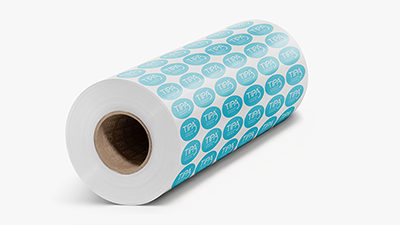

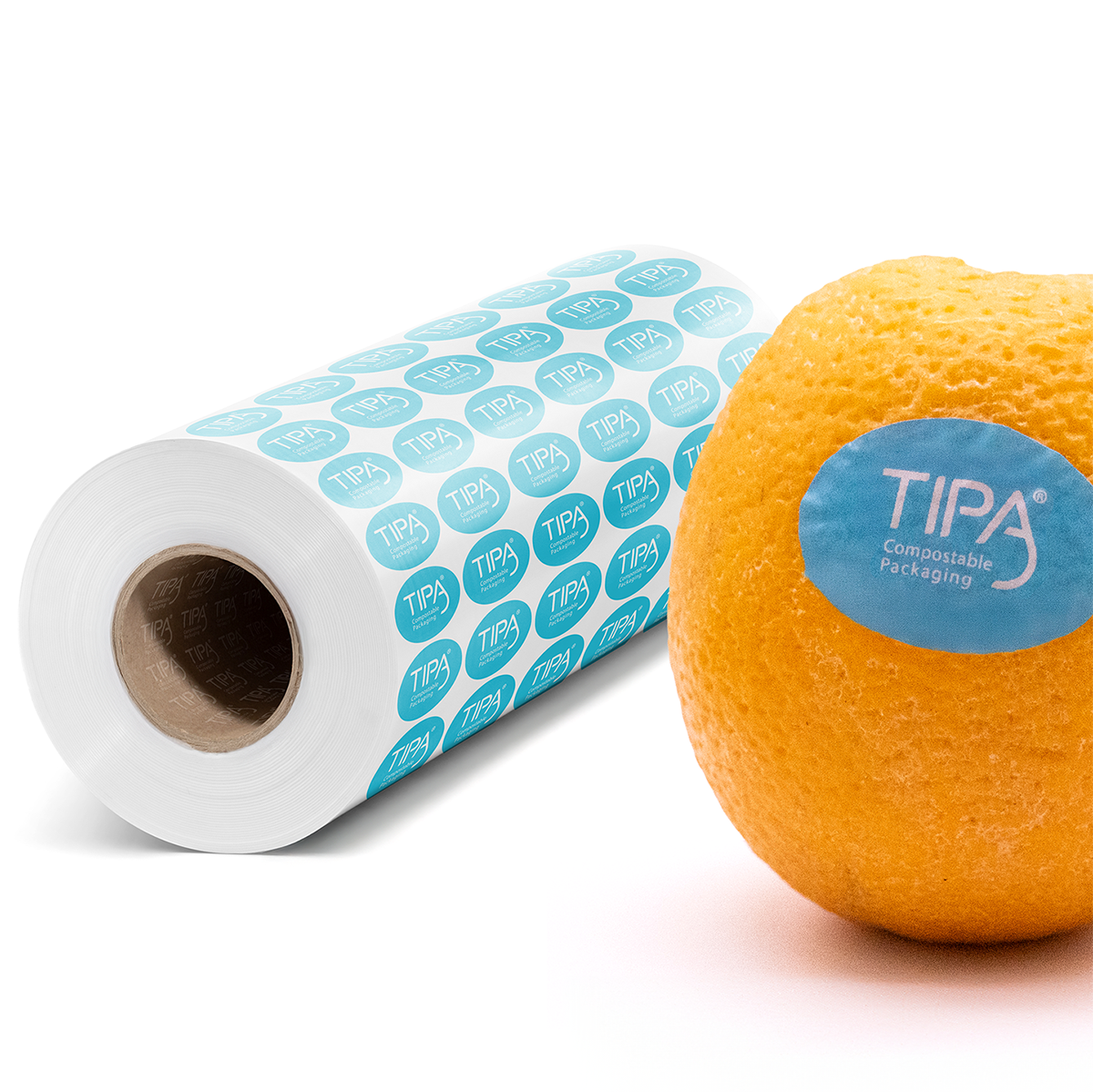

Fresh produce stickers play a critical role for brands and retailers selling unpackaged fruits and vegetables. They enable inventory management, pricing, traceability, and origin identification, making them essential to modern fresh produce retail. However, the vast majority of produce stickers today are made from materials and are neither recyclable nor compostable.
Consumers typically discard these stickers together with fruit peels and vegetable scraps after consumption. As a result, produce labels routinely enter organic waste streams. This issue is becoming more acute as separate food-waste collection is now widely available across Europe and increasingly mandated across cities and states in the United States. In practice, most produce stickers are likely to end up in food-waste bins and be sent to composting or anaerobic digestion facilities.
Composting operators consistently acknowledge the challenge of removing such small plastic items. Stickers often pass through sorting systems and remain in finished compost, creating long-term contamination risks for soil and farmland. Switching from plastic-based produce stickers to certified compostable alternatives addresses this issue directly, allowing labels to break down alongside food waste. This is why the European Union will mandate compostable produce stickers from 2028. TIPA offers certified compostable fruit and vegetable label solutions that enable compliance without compromising performance.
The Truth About Produce Labels
Fruit and vegetable labels may look insignificant, but they create an outsized waste problem. These tiny stickers follow produce everywhere, from farms and packing houses to supermarket shelves and kitchen bins. Some consumers peel them off without a second thought, others toss them away together with fruit skins and scraps. This is where the confusion starts. Are these labels compostable? Can they be recycled? Or do they quietly contaminate organic waste systems?
As food-waste collection expands across Europe and North America, the issue is receiving increasing attention. Conventional produce labels often end up in the organic waste stream and contaminate compost streams, increase processing costs and risks, and leave plastic fragments in soil. For retailers, growers, composters, and regulators, these “small” items have become a serious environmental and operational challenge.
What Are Fruit Labels Made Of? (Materials & Adhesives Explained)
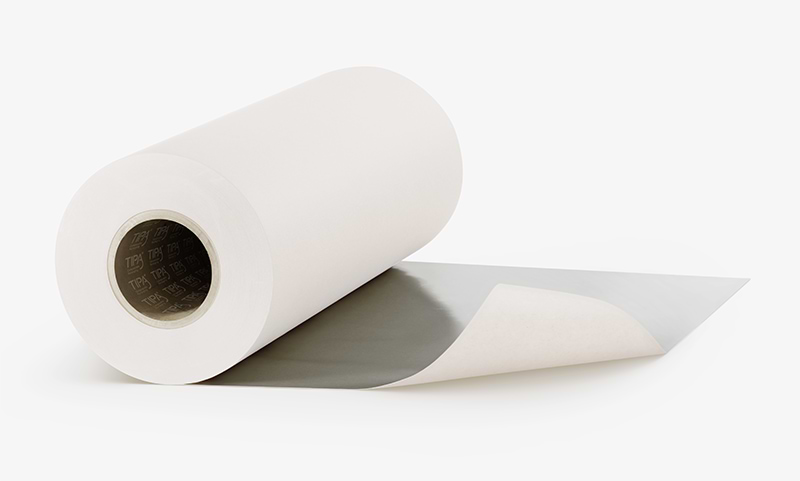
Fresh produce stickers play a critical role for brands and retailers selling unpackaged fruits and vegetables, supporting inventory management, pricing, and origin identification. Most fruit and vegetable labels are designed almost exclusively for durability and are typically made from three main components.
The face material is usually a thin plastic film, chosen because they are flexible, moisture-resistant, and can withstand refrigeration, washing, and handling throughout the supply chain.
The adhesive layer is most often an acrylic-based adhesive. It is designed to stick securely to smooth or textured fruit skins, sometimes even under cold or humid conditions. While these adhesives are food-safe, they are almost never compostable.
The ink layer includes food-contact-approved inks used to print branding, barcodes, and identification codes. These inks are formulated to resist smudging and fading, which again prioritizes performance over environmental breakdown.
Together, these layers create a product that performs well in retail environments but performs poorly at end of life. Because the materials are plastic-based and extremely small, they are not suitable for mechanical recycling. They slip through sorting screens at material recovery facilities and often end up as residual waste.
Globally, billions of these labels are used every year to carry price look-up codes and identify produce varieties. Their sheer volume, combined with their material composition, makes them a persistent source of microplastic contamination when they enter organic waste systems.
Are Fruit Labels Compostable? The Short Answer
The short answer is no. The vast majority of fruit and vegetable labels on the market today are not compostable. In practice, produce stickers rank among the top five most persistent contaminants in compost systems.
It is important to distinguish between commonly confused terms:
- “Biodegradable” is a broad and often misleading claim. It does not guarantee that a material will break down in a composting system, within a defined timeframe, or without leaving harmful residues.
- “Industrial compostable” refers to materials certified to break down under controlled, high-temperature composting conditions typically found in commercial composting facilities.
- “Home compostable” is a stricter standard. It means the material can fully decompose in lower-temperature, backyard compost environments.
Most produce labels meet none of these definitions. Instead, they fragment into smaller plastic pieces that remain in compost or digestate. This is why composting facilities consistently identify produce labels as contaminants. Without proper certification, they persist in organic waste streams and undermine the integrity of compost products.
Why Fruit Labels Are a Top Contaminant in Organic Waste Streams
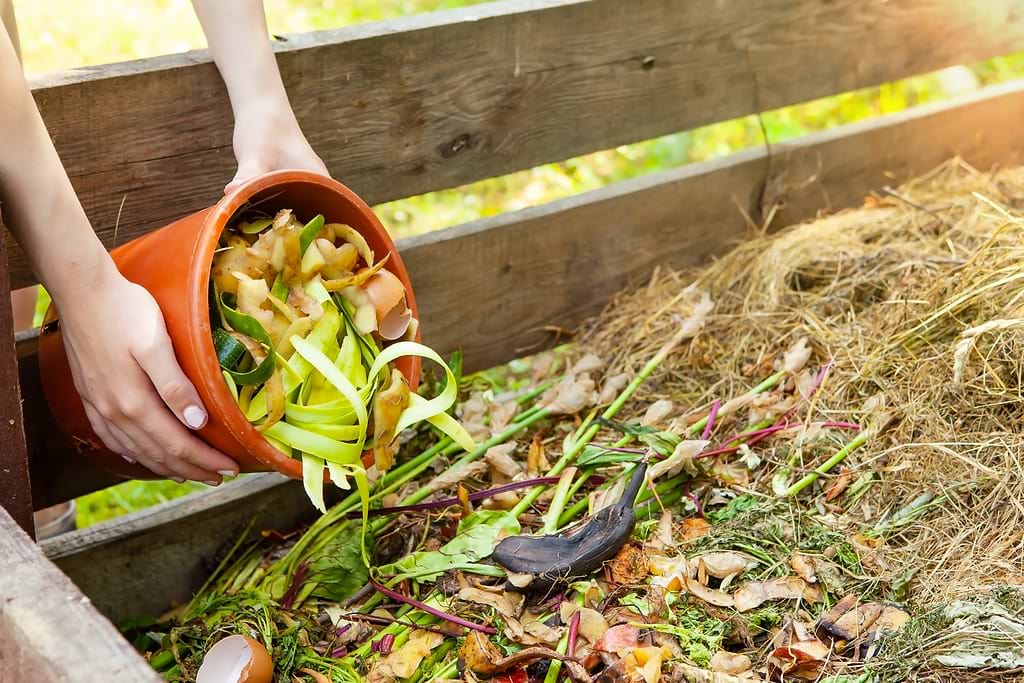
As separate food-waste collection expands, the impact of non-compostable produce labels has become more visible. Consumers routinely dispose of labels together with fruit peels and vegetable scraps. Once collected, these labels are extremely difficult to remove.
Composting and anaerobic digestion facilities rely on mechanical screening, sieving, and density separation. Produce labels are too small to be captured effectively. They pass through screens, resist vacuum systems, and are impractical to remove by hand. As a result, plastic fragments can remain in finished compost even at well-run facilities.

Waste authorities consistently flag produce labels as a persistent contaminant. They drive higher operational costs by slowing processing, increasing labor requirements, and raising the risk of rejected or downgraded compost loads. Even then, these measures are often insufficient to prevent labels from slipping through.
At the same time, the trend toward selling more fresh produce loose is accelerating label usage. Packaging reduction initiatives, while positive overall, unintentionally increase reliance on labels for identification and pricing. Without a compostable alternative, this creates a growing contradiction between food-waste policy goals and on-the-ground realities.
Regulations on Fruit Label Compostability in North America & Europe
Regulators are increasingly aware that produce labels can no longer be ignored.
In the European Union, upcoming packaging and waste legislation is expected to require compostable produce stickers as part of broader packaging waste reforms between 2025 and 2027. France has already moved ahead, requiring compostable produce labels for many fruit and vegetable categories.
The UK has taken a strong policy position as well. WRAP and the UK Plastics Pact have recommended banning non-compostable produce stickers, aligning with targets to reduce plastic packaging and improve food-waste quality. Northern Ireland is also expected to follow EU-aligned requirements.
In North America, the regulatory landscape is more fragmented but moving in the same direction. In Canada, compostable labeling and reporting obligations are under review through the Federal Plastics Registry, with industry groups actively supporting certified compostable alternatives. In the United States, state-level action is driving change. California’s organic waste regulations have increased scrutiny on contaminants in food-waste streams. Washington and Oregon, both leaders in composting infrastructure, have documented the impact of produce labels on compost quality and are encouraging certified solutions.
Across regions, compliance depends on recognized standards such as EN 13432 in Europe, OK compost certifications, and BPI certification in North America. These frameworks provide the technical basis for enforcing compostability claims and reducing greenwashing.
How TIPA Enables Fully Compostable Produce Labels & Packaging
TIPA enables a different approach to produce labeling, one designed for the realities of modern organic waste systems.
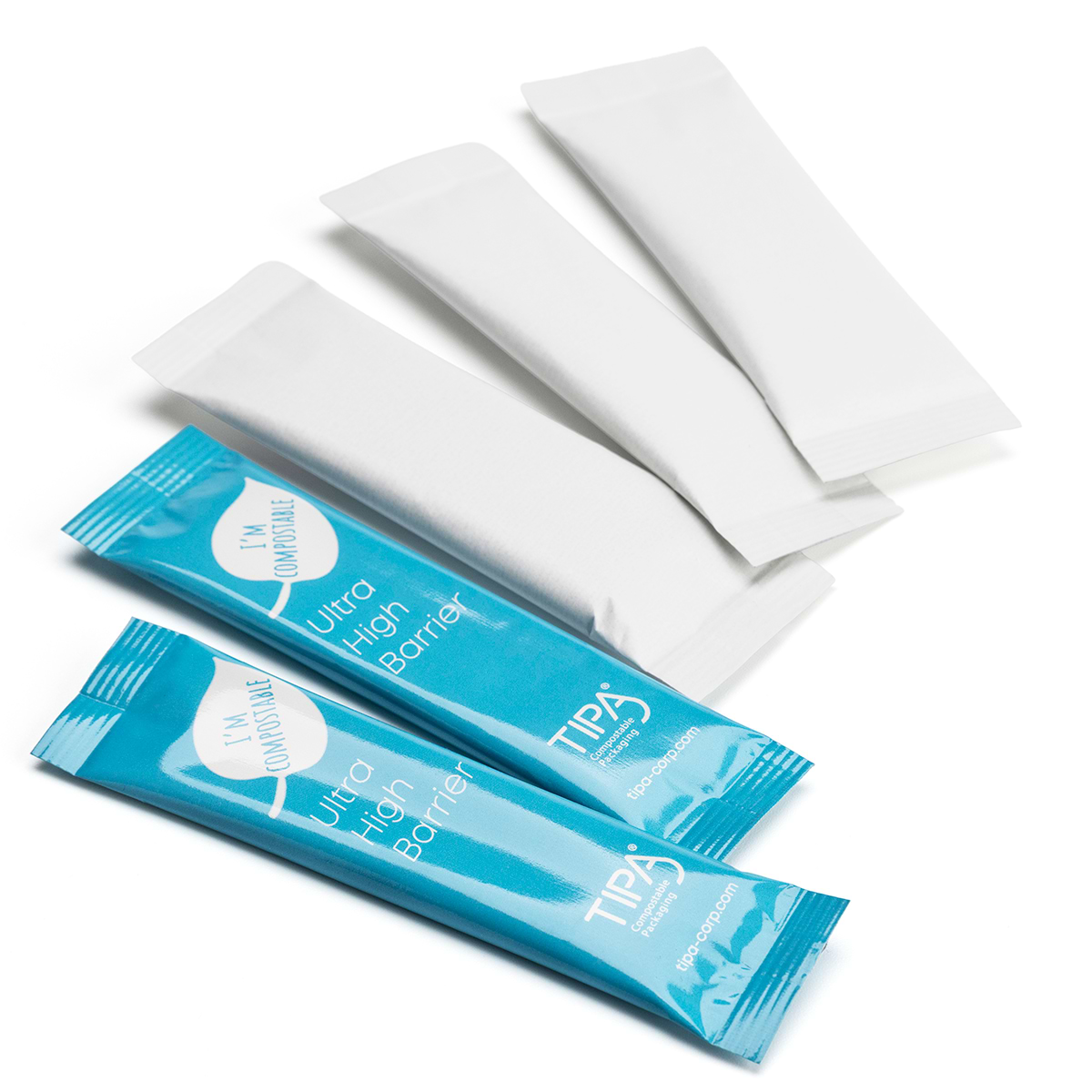
TIPA develops certified compostable films and label materials engineered to perform like conventional plastics during use while delivering a responsible end of life. These materials are approved for food contact and available in solutions suitable for industrial composting and, in specific applications, home composting.
Crucially, TIPA’s approach addresses the entire label structure, ensuring that labels break down alongside food scraps without contaminating compost and leave zero waste behind.
Compostable Fruit Labels: What Makes Them Certified?
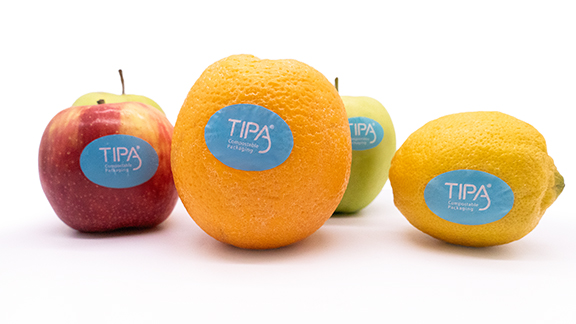
A certified compostable produce label must meet strict criteria. It is not enough for one component to break down. The entire label system must be compostable, including the face material, adhesive, and ink. All three must disintegrate and biodegrade within a defined timeframe, leaving no toxic residues and no visible plastic fragments. TIPA’s certified compostable labels meet these requirements while maintaining full performance throughout the supply chain.
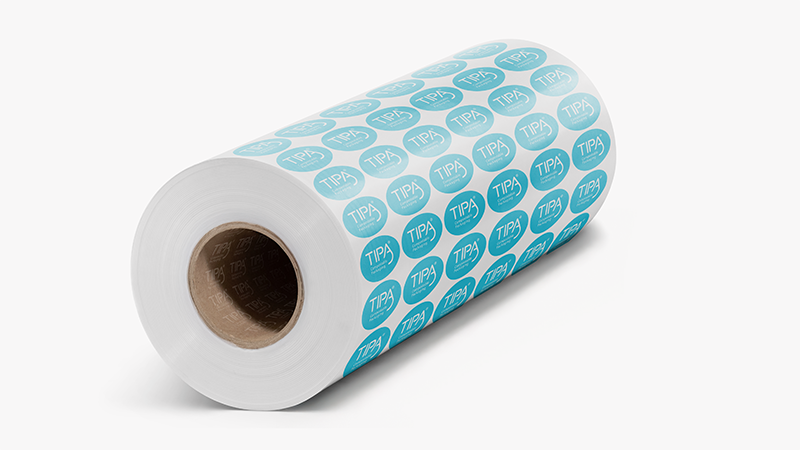
Industrial compostable certification typically applies to labels designed for commercial composting facilities. Home compostable certification goes further, ensuring breakdown under lower and less controlled conditions.
Reputable certification bodies set testing protocols for disintegration, biodegradation, and ecotoxicity. Labels that do not carry these certifications should not be described as compostable.
Vague claims such as “biodegradable” or “eco-friendly” are a common source of confusion. Without the proper certification, these claims offer no assurance to composters, regulators, or consumers.
These solutions are already in use by produce brands and retailers seeking to align with evolving regulations in Europe and North America. By switching to certified compostable labels, stakeholders can reduce contamination, support high-quality compost production, and prepare for upcoming legal requirements.
As organic waste collection expands and scrutiny increases, compostable produce labels are no longer a niche innovation. They are becoming a necessary part of building credible, circular food systems.