





Brands, retailers, and regulators are all demanding the same thing right now: packaging that performs and doesn’t outlast the product it carries. The problem is that most sustainable packaging still falls short on one side of that equation. It either protects the product and creates a waste headache, or it ticks the sustainability boxes and fails on the production line. TIPA has spent years closing that gap.
At Interpack 2026, TIPA will showcase a new generation of compostable and paper-based flexible packaging solutions built for real-world supply chains. Across four key areas, you can see what happens when material science catches up with what brands actually need.
Tackling the Toughest Format: Small-Pack Solutions
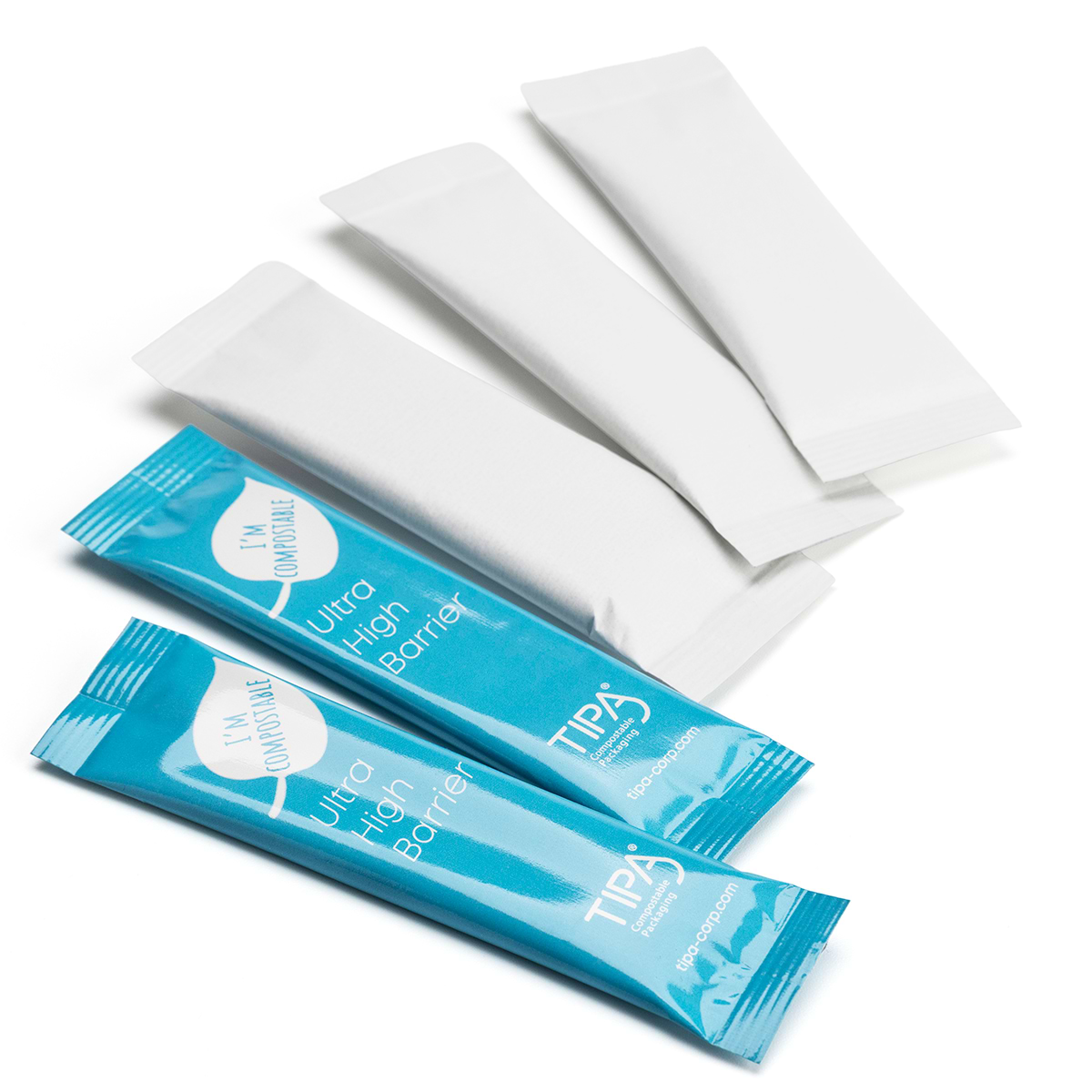
Sachets, stick packs, and single-serve formats are everywhere. Almost none of them are recyclable. Their size, multilayer construction, and material complexity have made them one of the most neglected segments in sustainable packaging, and most developers have moved on to formats that are easier to solve.
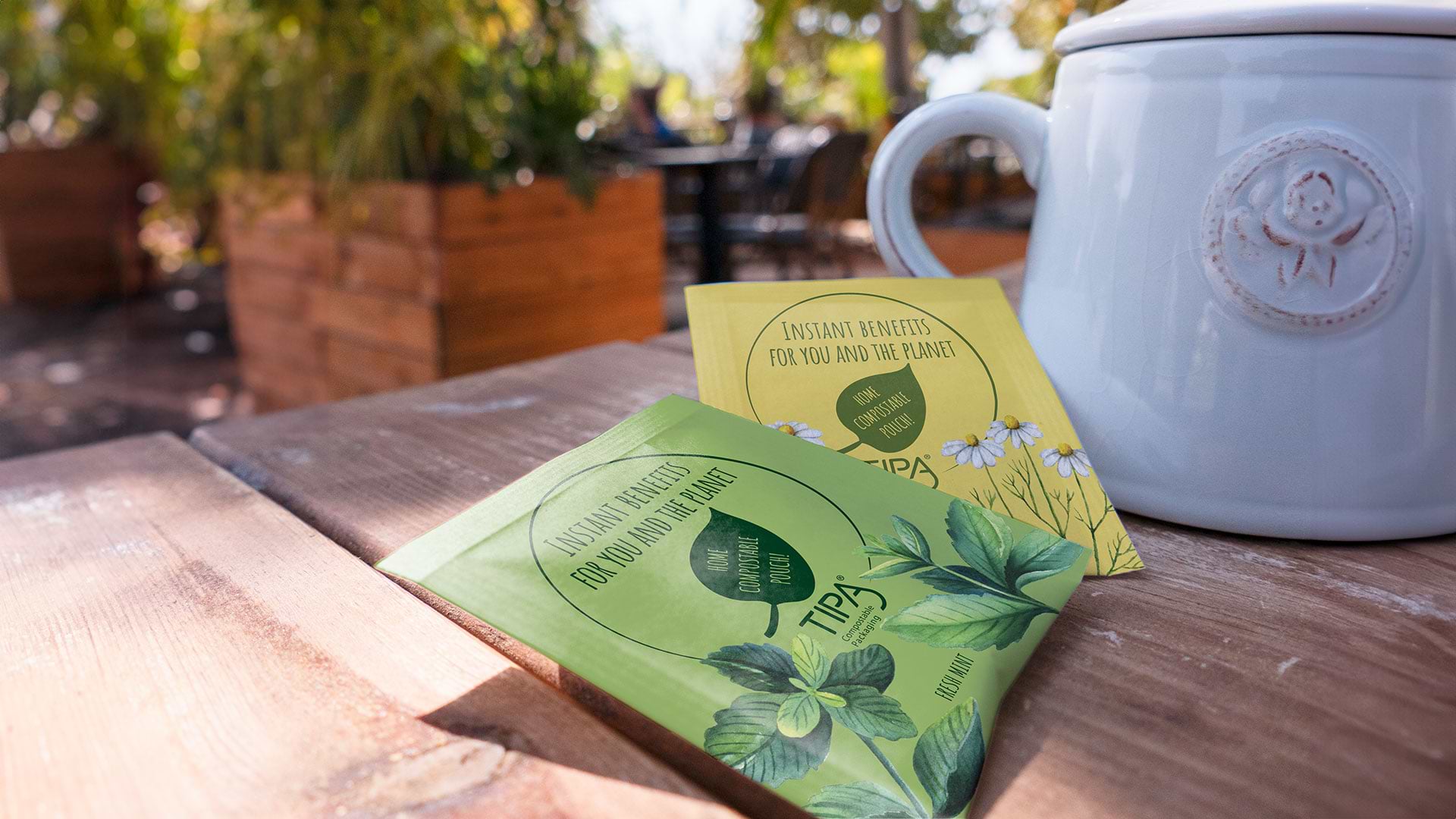
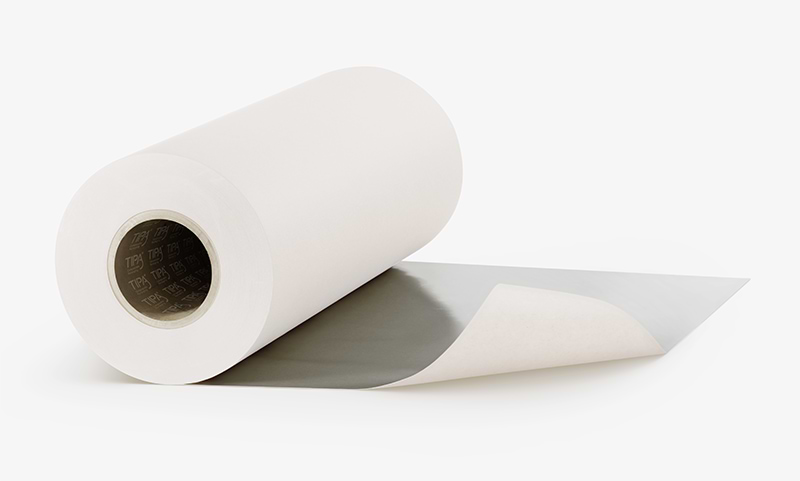
TIPA’s compostable laminates for small-format applications are engineered specifically for dry products: condiments, supplements, powdered beverages. You get the barrier performance needed to protect against moisture, oxygen, and aroma loss, and you run these on the same high-speed converting and filling lines you already own. No equipment overhaul, no process disruption.
Commercially available solutions for dry applications are already in market. Development continues for wet condiments and more complex use cases, which remain genuinely hard to crack. TIPA is one of the few companies working seriously at that frontier.
Paper-Based Packaging That Actually Works

Compostable Labels: Where Regulation Meets Innovation
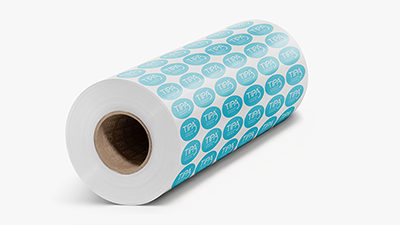
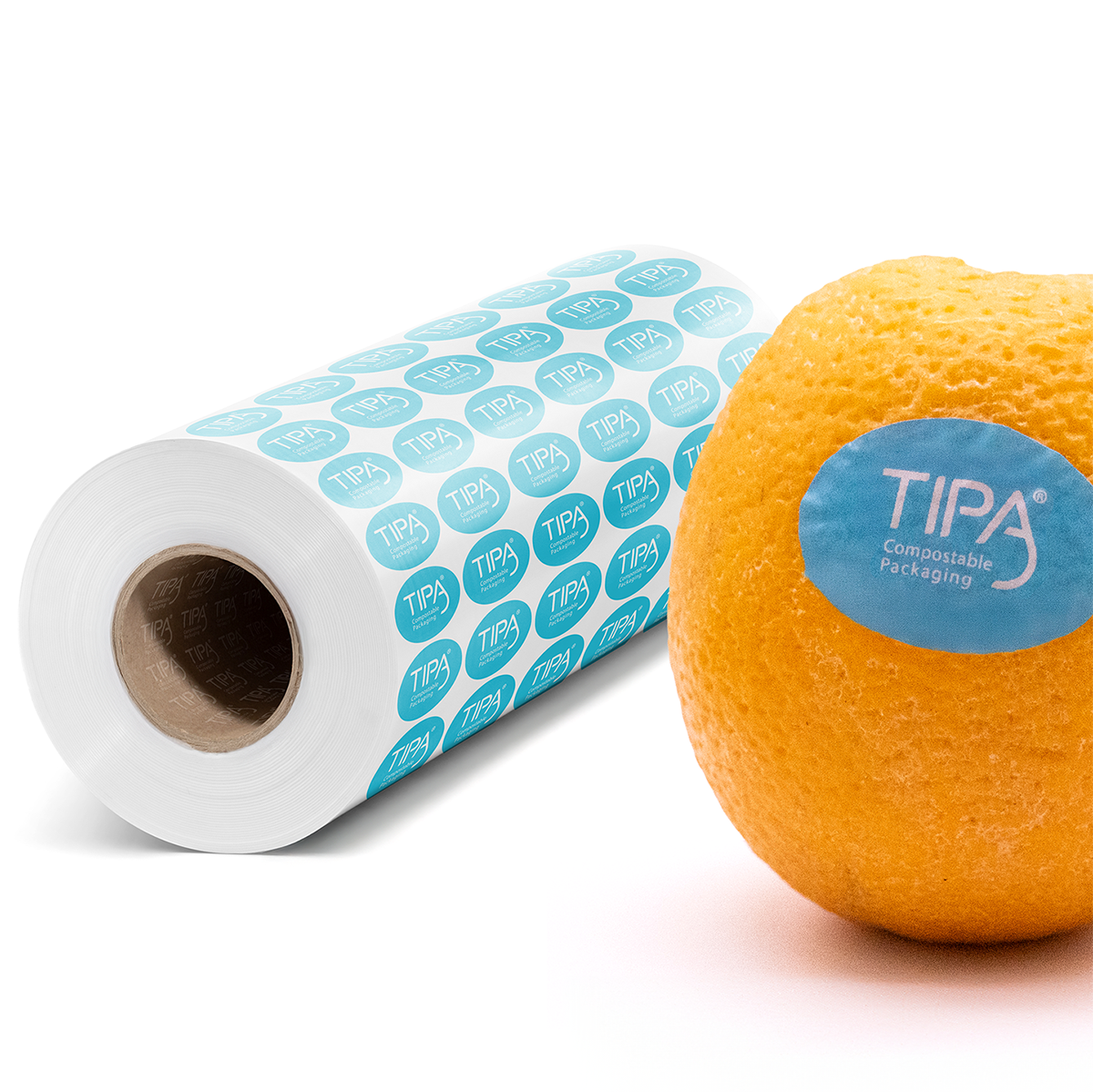
Fresh produce labeling sits at the intersection of two real sustainability problems. Conventional labels made from plastic films and non-biodegradable adhesives contaminate organic waste streams, which means produce that could be composted ends up in landfill because of a sticker. European regulations are starting to address this, and demand for certified compostable labels is rising as a result.
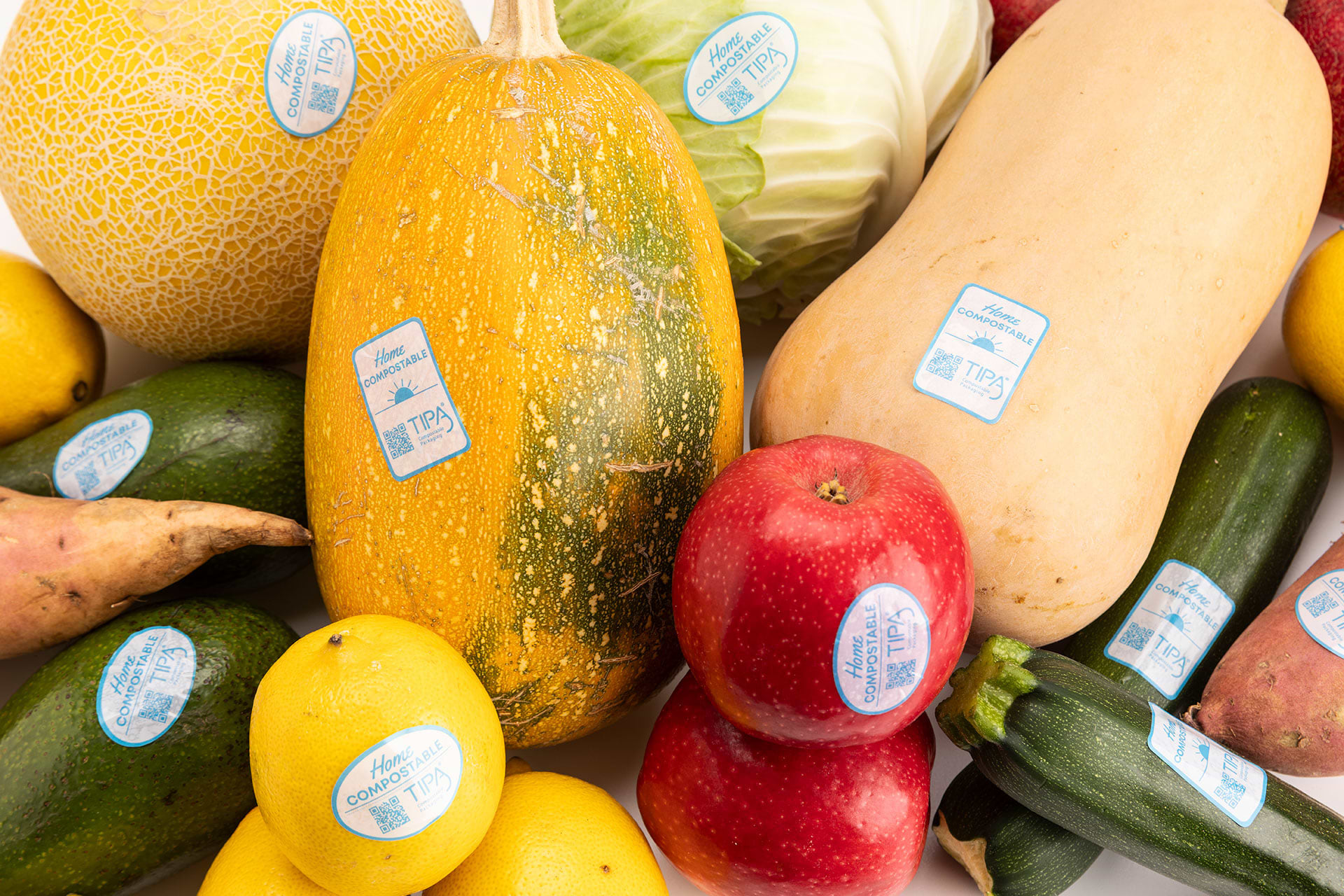
TIPA’s compostable labels are built for the conditions that fresh produce actually faces: strong adhesion across varying surface types, durability in cold and humid environments, and compatibility with standard labeling equipment. Produce goes from shelf to organic waste bin with no label removal required. For producers and retailers trying to close the loop on food waste, that’s a meaningful operational change, not just a materials upgrade.
See It All at Interpack 2026 – Hall 9, Booth F01A
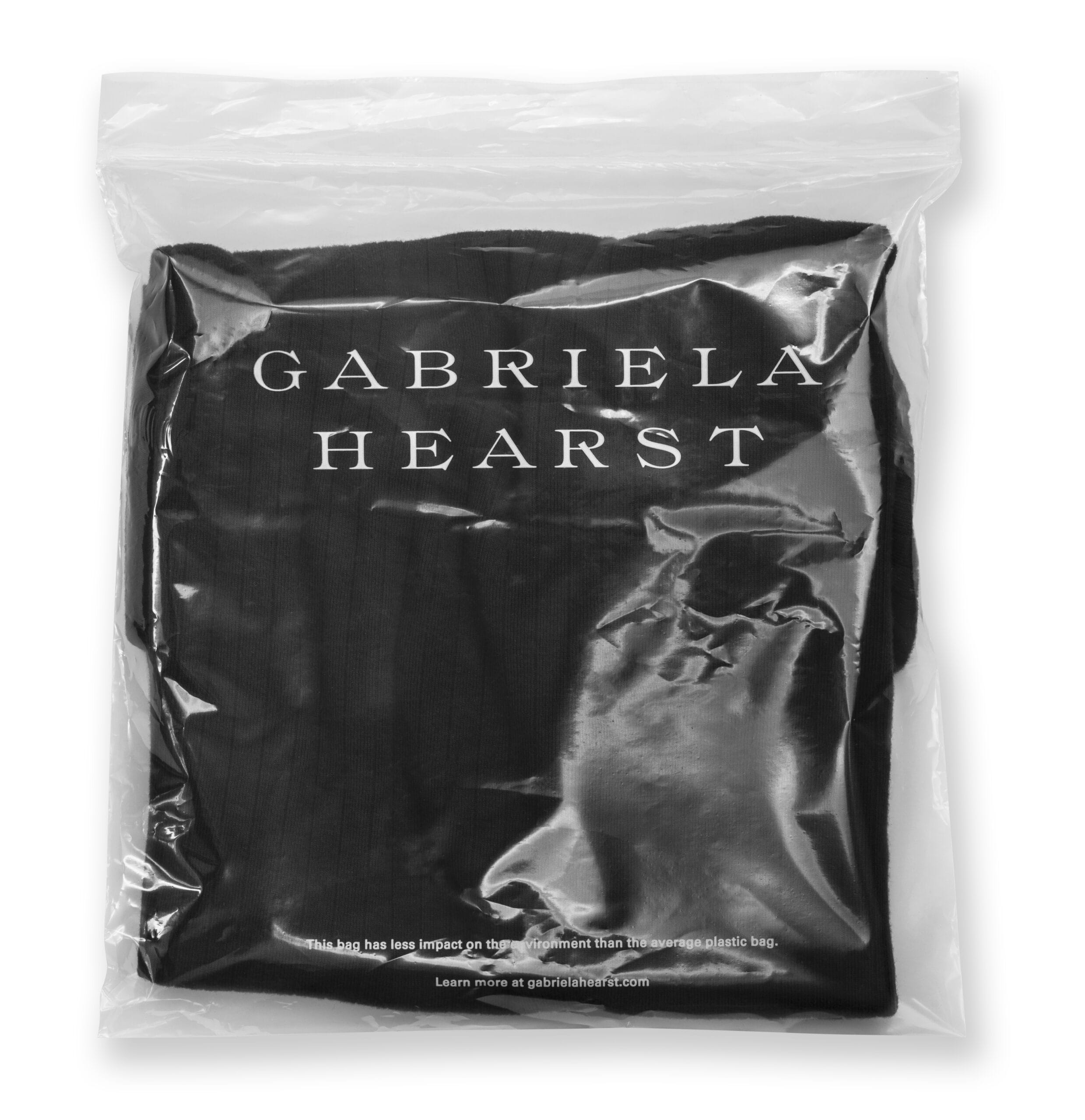
TIPA will be at Interpack 2026 alongside the Bio4Pack and SEALPAP teams, with the full range of compostable and paper-based flexible packaging solutions on display. Whether you work in food, fashion, or consumer goods, you can walk through what these materials look like in practice, not in a pitch deck.
Bring your packaging challenges. The team will show you what compostable and recyclable flexible packaging can look like running in your production line.

